TRUTH CAMPAIGN 08

About DRCNetStop the Drug War (DRCNet) is an international organization working for an end to drug prohibition worldwide and for interim policy reform in US drug laws and criminal justice system. Read more about DRCNet.

Make a Donation

Want to stop the drug war? One way to help is to make a generous donation -- member support makes up a critical portion of our budget, and we can't do it without you!

Join the Community

Higher Education Act Reform Campaign

Higher Education Act Reform Campaign

The John W. Perry Fund -- scholarships for students losing financial aid because of drug convictions

some organizations DRCNet played a role in starting:


en Españolem Português

Drug War Chronicle - world’s leading drug policy newsletter

Search and Seizure: Vermont Judge Says State Constitution Provides Protection Even if Federal Doesn't

The US Supreme Court ruled last month that police officers who violated "knock and announce" search warrant rules could use the ill-gotten evidence against defendants, but that's not good enough for at least one Vermont judge. In a Monday opinion, District Court Judge Robert Bent threw out the evidence in a "knock and announce" search where police rushed the home as soon as the door opened while they were gathering out front.
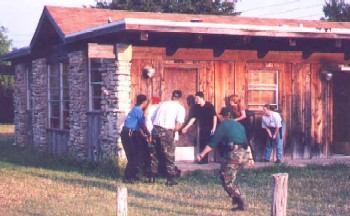
http://stopthedrugwar.org/files/texasraid_3.jpg
warrant needed in Vermont
Under centuries-old common law and decades of US legal practice, most search warrants require police to knock and announce and allow the resident a reasonable time to answer the door. Police who can convince a judge special circumstances require them can apply for a "no-knock" warrant. Last month's Supreme Court ruling effectively gutted the "knock and announce" requirement -- at least in the federal courts.

Vermont should hold itself to a higher standard, said Bent in the case of Ellen Sheltra, who was arrested on marijuana charges after the cops rushed her door. "Evidence obtained in violation of the Vermont Constitution, or as the result of a violation, cannot be admitted at trial as a matter of state law," Bent wrote, citing an earlier state case as precedent. "Introduction of such evidence at trial eviscerates our most sacred rights, impinges on individual privacy, perverts our judicial process, distorts any notion of fairness and encourages official misconduct."

In their dissent in the US Supreme Court case, four justices warned that allowing police to use illegally obtained evidence would lead to police officers ignoring the law. Bent agreed. "The exclusionary remedy should remain in full force and effect," Bent wrote, "at least in our small corner of the nation."

The district court decision is not binding on other judges, but they are likely to take it into consideration in deciding similar cases. Prosecutors have not decided whether to appeal Bent's ruling to the Vermont Supreme Court, where, if it is upheld, it would become binding.

AttachmentSize
texasraid.jpg29.92 KB
Drug War Issues Police Raids - Policing
Politics & Advocacy State Courts

Post new comment

  • Allowed HTML tags: <a> <em> <strong> <cite> <code> <ul> <ol> <li> <dl> <dt> <dd> <img> <i> <blockquote> <p> <address> <pre> <h1> <h2> <h3> <h4> <h5> <h6> <br>
  • Lines and paragraphs break automatically.
  • You may post code using <code>...</code> (generic) or <?php ... ?> (highlighted PHP) tags.
  • Web and e-mail addresses are automatically converted into links.
More information about formatting options Captcha Image: you will need to recognize the text in it.
Please type in the letters/numbers that are shown in the image above.